
Top Uses for Shipping Containers on Residential Properties
If your garage is overflowing, your shed is packed to the ceiling, or you’re running out of room for tools, equipment, and seasonal items, you’re not alone. Many homeowners reach a point where they need more storage or workspace but aren’t ready to invest in an expensive home addition. That’s where shipping containers come in.
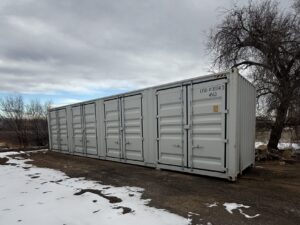
Originally designed to transport cargo across oceans, shipping containers have become one of the most versatile solutions for residential properties. Homeowners use them for everything from secure storage and workshops to home offices, hobby spaces, and even guest accommodations.
Their durability, security, and flexibility make them a practical investment for homeowners looking to maximize the value and functionality of their property. Before exploring the most popular uses, let’s look at why shipping containers have become such a popular choice for residential applications.
Why Homeowners Are Turning to Shipping Containers
Unlike traditional sheds or temporary storage structures, shipping containers are built from heavy-duty steel and designed to withstand decades of exposure to the elements.
Many homeowners choose shipping containers because they offer:
- Secure, lockable storage
- Excellent weather resistance
- Minimal maintenance requirements
- Long service life
- Portable placement options
- Cost-effective alternatives to building additions
Whether you need temporary storage during a renovation or a permanent workspace in your backyard, a shipping container can provide a flexible solution.
What Size Shipping Container Do Most Homeowners Need?
One of the most common questions homeowners ask is whether a 20-foot or 40-foot container makes more sense.
Here’s a quick comparison:
| Container Size | Common Residential Uses |
| 20-Foot Container | Lawn equipment, motorcycles, seasonal storage, workshop space |
| 40-Foot Container | Household overflow, business inventory, large equipment storage |
| High Cube Container | Taller shelving systems, oversized equipment, workshop conversions |
Many homeowners are surprised by how much a standard 20-foot container can hold. For most residential storage needs, it’s often more than enough.
1. Secure Household Storage
The most popular residential use for a shipping container is additional storage.
Over time, garages and basements tend to fill up with tools, outdoor furniture, holiday decorations, sporting equipment, and home improvement supplies. A shipping container provides a secure, organized space to store these items without cluttering your home.
For example, homeowners undergoing a remodel often use a shipping container to protect furniture and belongings during construction, keeping everything on-site and easily accessible.
Common items stored in residential containers include:
- Lawn and garden equipment
- Seasonal decorations
- Patio furniture
- Sports gear
- Household overflow
- Moving supplies
- Business inventory
Because shipping containers are built from steel, they provide a level of security that many traditional storage sheds simply can’t match.
2. Backyard Workshops
If you’ve ever wished you had a dedicated space for projects, a shipping container can be transformed into a highly functional workshop.
Many homeowners use containers for:
- Woodworking
- Automotive repairs
- Metalworking
- DIY home improvement projects
- Small business operations
Imagine restoring a classic motorcycle or building furniture without sacrificing garage space. With shelving, electrical service, and proper ventilation, a shipping container workshop can become a productive workspace year-round.
3. Home Offices
Remote work has changed the way homeowners think about space.
While working from the kitchen table may have been a temporary solution, many professionals now need a dedicated office environment.
A shipping container office creates separation between work and home life while remaining just steps away from the house.
Container offices can include:
- Insulation
- Heating and cooling systems
- Electrical wiring
- Internet connectivity
- Windows for natural light
- Finished interior walls
For homeowners who need privacy and focus, a backyard office can be a practical alternative to a costly home addition.
4. Equipment and Vehicle Storage
Not every vehicle fits comfortably inside a garage.
Shipping containers are often used to store:
- Motorcycles
- ATVs
- Side-by-sides
- Lawn tractors
- Utility trailers
- Boating equipment
Many homeowners appreciate having a secure location to protect expensive recreational equipment from theft, weather, and long-term wear.
5. Gardening and Landscaping Headquarters
Serious gardeners know how quickly supplies can take over a property.
A shipping container can serve as a dedicated storage hub for:
- Shovels and hand tools
- Lawn mowers
- Trimmers
- Soil and mulch
- Irrigation supplies
- Plant containers
- Fertilizers
Keeping everything organized in one location can make seasonal landscaping projects significantly easier.
Shipping Container vs. Traditional Storage Shed
Many homeowners compare shipping containers to storage sheds before making a decision.
| Feature | Shipping Container | Traditional Shed |
| Security | Excellent | Moderate |
| Weather Resistance | Excellent | Good |
| Lifespan | 25+ Years | 10–20 Years |
| Maintenance | Minimal | Moderate |
| Portability | High | Low |
| Durability | Excellent | Varies by material |
For homeowners prioritizing security and long-term value, shipping containers often provide a significant advantage.
5 Common Mistakes Homeowners Make When Buying a Shipping Container
Before purchasing a shipping container, avoid these common mistakes:
1. Not Checking Local Regulations
Some municipalities and homeowners associations have restrictions regarding container placement.
2. Choosing the Wrong Size
Many buyers underestimate or overestimate their storage needs.
3. Ignoring Delivery Access
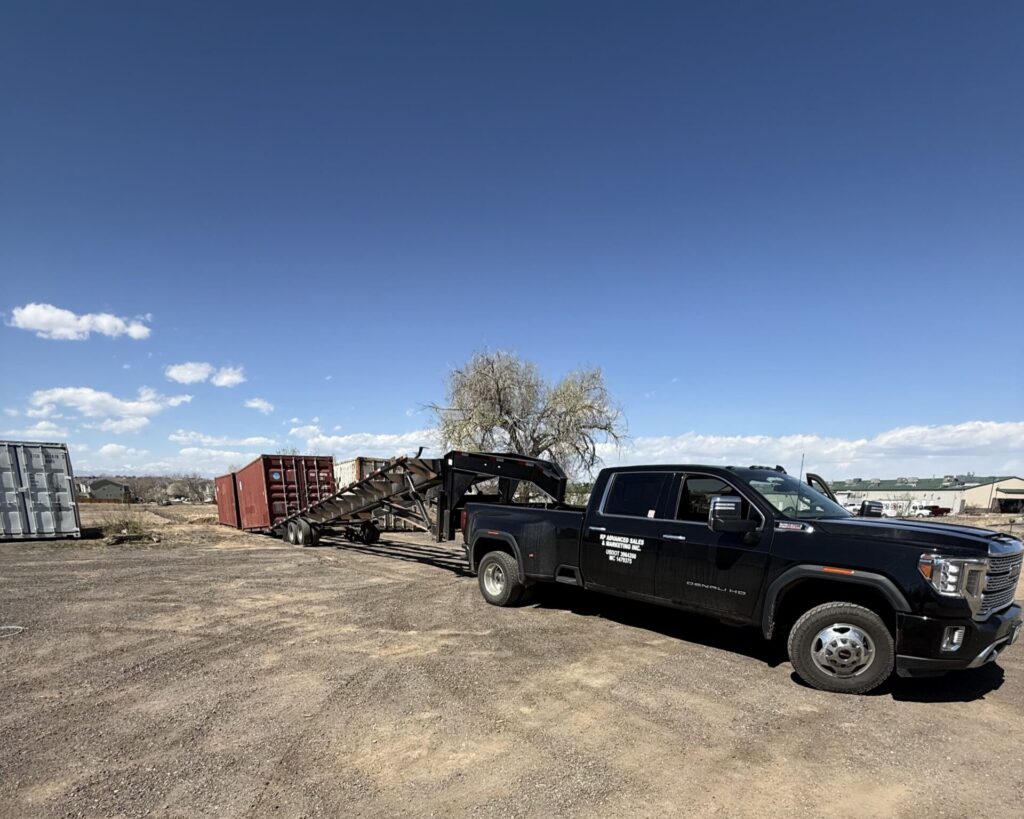
The delivery truck needs sufficient space to safely place the container.
4. Buying Based Only on Price
The cheapest container isn’t always the best value.
5. Failing to Plan for Future Needs
Many homeowners eventually wish they had purchased a larger container.
Frequently Asked Questions About Residential Shipping Containers
Can I put a shipping container on my residential property?
In many areas, yes. However, zoning laws, permit requirements, and HOA regulations vary by location.
How long will a shipping container last?
A properly maintained shipping container can last 25 years or longer.
Do shipping containers need a foundation?
Not always, but they should be placed on a level, stable surface.
Can shipping containers be modified later?
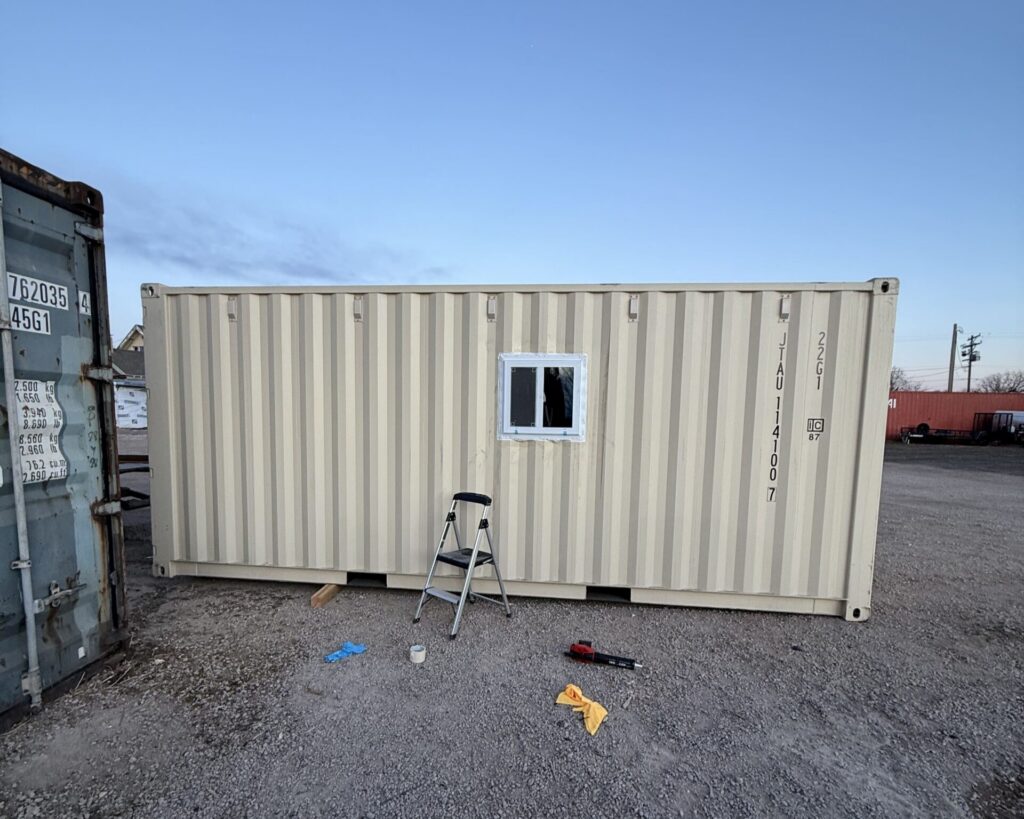
Yes. Many homeowners add doors, windows, insulation, electrical systems, and other custom features over time.
Which Shipping Container Use Is Right for You?
The best application depends on your goals. If you need secure storage, a standard 20-foot container may be the ideal solution.
If you’re looking for a workshop, office, or large equipment storage, a 40-foot container may offer more flexibility.
No matter how you plan to use it, a shipping container can provide years of dependable service while helping you make better use of your property.
Trust KP Storage Containers for Residential Shipping Container Solutions
At KP Storage Containers, we help homeowners find high-quality shipping containers for storage, workshops, home offices, equipment protection, and custom residential projects.
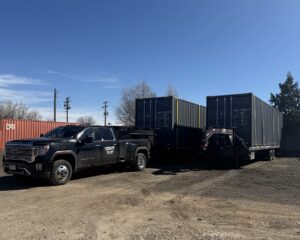
Whether you’re looking for a compact 20-foot container or a larger solution for long-term property improvements, our team can help you choose the right option and arrange delivery to your location.
Contact KP Storage Containers today to learn more about available container sizes and find the right solution for your property.
Latest Post