20ft vs 40ft Shipping Container: Which Size Is Right for You?
Picking the wrong container size is an expensive mistake. Too small and you’re cramming things in or renting a second unit. Too large and you’re paying for space you don’t need while fighting to fit the thing on your property.
While both options offer durable, weather-resistant storage, the right choice depends on how much space you need, your property size, your budget, and how you plan to use the container long term. At KP Storage Solutions, 20ft and 40ft containers are among the most popular options for residential, commercial, and construction site storage across Colorado.
If you’re unsure which size makes the most sense, this guide breaks down the key differences so you can make the right investment the first time.
20ft vs 40ft Shipping Container: Quick Comparison
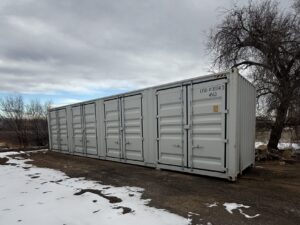
A 20-foot shipping container measures 20 feet long, 8 feet wide, and 8.5 feet tall, with roughly 1,170 cubic feet of usable interior space. A 40-foot shipping container doubles the length to 40 feet long, 8 feet wide, 8.5 feet tall, giving you approximately 2,390 cubic feet of interior storage.
| Feature | 20ft Container | 40ft Container |
| Exterior Length | 20 ft | 40 ft |
| Exterior Width | 8 ft | 8 ft |
| Exterior Height | 8.5 ft | 8.5 ft |
| Interior Floor Space | ~160 sq ft | ~320 sq ft |
| Interior Volume | ~1,170 cu ft | ~2,390 cu ft |
| Used Price (Denver) | $2,800 to $4,500 | $3,500 to $6,000 |
| New Price (Denver) | $4,500 to $7,500+ | $6,500 to $10,000+ |
| Best For | Residential, small business, tight lots | Job sites, large inventory, commercial use |
When a 20ft Shipping Container Makes Sense
A 20ft container is often the best choice for homeowners, smaller businesses, and job sites with limited space.
You Have Limited Property Space
One of the biggest advantages of a 20ft container is flexibility. These units fit more easily into:
- Residential driveways
- Small commercial lots
- Urban properties
- Tight construction sites
If access is limited or you don’t want the container dominating your property, a 20ft option is usually easier to place.
You Need Basic Storage
A 20ft container works well if you’re storing:
- Lawn equipment
- Business inventory
- Household furniture
- Construction tools
- Recreational vehicles
Many customers overestimate how much storage they actually need. A 20ft unit often provides more than enough room for standard storage situations.
You Want Lower Upfront Costs
Generally, 20ft containers cost less than 40ft units. That means:
- Lower purchase price
- Reduced delivery costs
- Easier site preparation
- Less maintenance over time
If budget is a major factor, a 20ft container can provide excellent value without sacrificing durability or security.
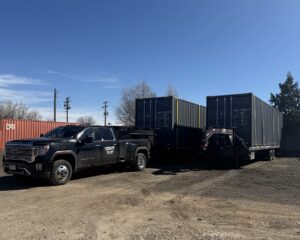
Easier Transportation and Placement
Smaller containers are easier to maneuver during delivery. That’s especially important for:
- Narrow roads
- Residential neighborhoods
- Mountain properties
- Crowded job sites
If access is complicated, a 20ft container may save you significant headaches during installation.

When a 40ft Shipping Container Is the Better Choice
For large-scale storage or long-term business use, a 40ft container often delivers better overall value.
You Need Maximum Storage Capacity
A 40ft container offers roughly double the storage space of a 20ft unit.
That extra room is ideal for:
- Large equipment
- Bulk inventory
- Multiple rooms of furniture
- Commercial storage
- Agricultural supplies
- Industrial tools
Businesses that expect inventory growth often find that upgrading to a larger container early prevents overcrowding later.
Better Value Per Square Foot
Although 40ft containers cost more upfront, the price per square foot is often lower compared to buying two separate 20ft containers.
If you already know you’ll need substantial storage, going larger from the beginning can be the more cost-effective option.
Great for Conversion Projects
Shipping containers are commonly used for custom projects such as:
- Mobile offices
- Workshops
- Retail spaces
- Tiny homes
- Pop-up shops
A 40ft container provides far more flexibility for layouts, utilities, shelving, and custom modifications.
Fewer Space Limitations
Many buyers regret choosing a container that’s too small. Once shelving, tools, or equipment are added, available floor space disappears quickly.
A 40ft unit gives you room to grow and helps avoid the need for additional storage later.
Questions to Ask Before Choosing a Container
Before deciding between a 20ft and 40ft shipping container, ask yourself these questions:
How Much Storage Do You Actually Need?
Think beyond your current needs. Will your inventory, equipment, or project expand over time?
Choosing too small a container often leads to clutter or needing another unit later.
How Much Property Space Do You Have?
Measure carefully before ordering. Consider:
- Delivery access
- Turning space for trucks
- Ground stability
- Local zoning restrictions
A container that technically fits may still be difficult to deliver safely.
Is Mobility Important?
If you plan to relocate the container later, a 20ft option is easier and more affordable to move.
Are You Using It for Business or Personal Storage?
Commercial users often benefit from the larger capacity of a 40ft container, while homeowners may find a 20ft unit more practical.
New vs Used Containers
Whether you choose a 20ft or 40ft container, you’ll also need to decide between new and used options.
KP Storage Solutions offers both new and used shipping containers depending on your needs and budget.
New Containers
Best for:
- Long-term investments
- Minimal wear and tear
- Cleaner appearance
- Custom projects
Used Containers
Best for:
- Budget-conscious buyers
- Basic storage
- Temporary use
- Construction sites
Used containers are often structurally sound while offering substantial savings.
Common Uses for Shipping Containers
Both 20ft and 40ft containers are incredibly versatile.
Popular uses include:
- Construction storage
- Farm and ranch equipment storage
- Retail inventory
- Emergency storage
- Workshops
- Mobile offices
- Tiny home projects
- Vehicle storage
Shipping containers are widely valued for their durability, portability, and weather resistance.
Which Shipping Container Size Is Right for You?
There’s no universal “best” container size. The right option depends entirely on your available space, budget, and storage goals.
A 20ft container is usually the smarter choice if you:
- Have limited space
- Need affordable storage
- Want easier delivery
- Only need moderate storage capacity
A 40ft container makes more sense if you:
- Need maximum storage
- Plan for long-term use
- Run a business
- Want flexibility for future growth
If you’re still unsure, the team at KP Storage Solutions can help you compare options and choose the right container for your property and storage needs. Request a free quote today!
Latest Post