Photographing Storage Containers and Large Equipment for Sale
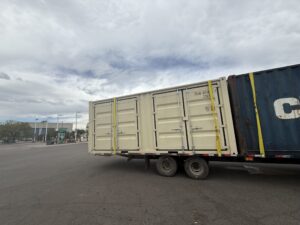
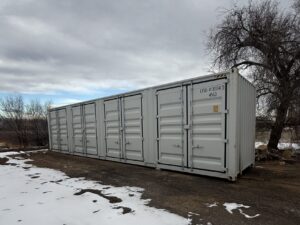
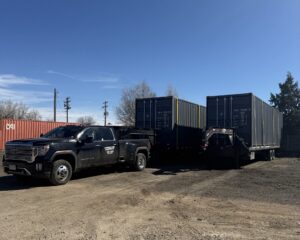
Large metal objects are the hardest product category to photograph honestly. They reflect everything around them, they are usually outdoors, and condition is the entire purchase decision. A fixed shot list solves most of it.
The shot list
Buyers want to see all four sides, the roof, the floor, the doors and the locking mechanism. Anything you omit is what they will ask about, and unanswered questions cost sales.
- Four corners, exterior
- Roof line, including any dents
- Floor, interior, with a straight edge for scale
- Door and lock close-up
- Any damage, photographed deliberately
Controlling reflections
Metal reflects the sky and the ground. Shoot on an overcast day, position yourself so the reflection shows something neutral, and avoid shooting directly into the sun. Polarising filters help if you have one.
| Condition | Result |
|---|---|
| Overcast | Even tone, readable dents |
| Direct sun | Blown highlights hiding condition |
| Wet | Reflective and misleading |
Scale references
Include a person or a known object in at least one frame. A container photographed alone gives no sense of size, and buyers will assume the worst.
- One frame with a person
- One frame with a tape measure on the floor
- Consistent camera height across sides
Editing that stays honest
Correct exposure and colour, straighten verticals, remove clutter from the background. Do not remove rust, dents or repairs. The background removal workflow in PhotoScape is useful for cleaning up the background behind the object without touching the object itself.
- Straighten verticals
- Clean background, not the product
- No removal of damage
Output and listing
Export at 2000 px on the long edge, name by side and condition, and upload in the order of the shot list. A listing where the photographs follow a predictable sequence is easier to evaluate than a random gallery.
Frequently Asked Questions
How many photos does a listing need?
Fifteen to twenty five for a used container, covering every side and every defect.
Should I photograph it empty?
Yes for the exterior. Interior shots can show contents to demonstrate capacity.
Is drone photography useful?
For the roof and overall condition, yes. It does not replace ground-level detail.
What about video walkthroughs?
Useful as a supplement. Buyers still compare stills first.
Latest Post