Turning a Shipping Container Into a Workshop or Office
Maybe the garage has become a maze of tools, or working from the kitchen table has run its course. You need a space of your own, but putting up a new building feels like a bigger project than you had in mind. That’s often when a shipping container starts to look interesting.
Yes, you can turn a shipping container into a workshop or office. People use them for both. The catch is that buying a container and creating a comfortable place to work are two different projects. The container gives you the shell. What happens next depends on how you’ll use it, where it will sit, and how much work you’re prepared to put into the conversion.
Picture a Normal Tuesday, Not Just the Finished Project
It’s easy to imagine a tidy desk, a workbench, and a few shelves inside a container. It’s more useful to picture an ordinary day there. Where will you put a sheet of plywood while you’re cutting it? Can you open a cabinet without moving your chair? Will you be on video calls while someone else is using noisy equipment?
For an office, a desk and a power outlet are only the beginning. You’ll want dependable internet, enough light to work without squinting, a comfortable temperature, and a door you can use easily every day. If clients or employees will visit, access and the appearance of the space matter even more.
A workshop has different demands. A woodworker might need a long clear path for materials and a way to control dust. Someone repairing equipment may need sturdy benches, tool storage, and room to move around a project. Work that produces fumes calls for appropriate ventilation. These details should shape the layout before you decide where to add doors, windows, or electrical outlets.
If you’re hoping to combine an office and workshop, be honest about whether they can share the same air and floor space. Paperwork and occasional hand tools may coexist just fine. A computer beside regular sanding or spraying probably won’t. You may need separate zones, which brings us to container size.

How Much Space Do You Really Need?
A 20-foot container is a reasonable starting point for a one-person office or a workshop built around a single bench. Its smaller footprint can also make it easier to place on a residential or commercial property. But eight feet of exterior width can feel much narrower once you add insulation, finished walls, cabinets, and equipment.
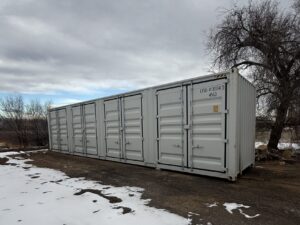
A 40-foot container gives you more freedom. You could keep a desk at one end and tools at the other, or leave room for larger projects without blocking the walkway. The tradeoff is that you need enough space on your property for the container and enough access for the delivery truck to put it there.
Before buying, make a rough floor plan. Use the actual interior measurements of the container you’re considering, then draw your biggest furniture or equipment to scale. Leave room to walk, open doors, pull out drawers, and carry materials inside. A little time with a tape measure can save a lot of frustration later.
The Steel Shell Needs Help in Colorado
A container is built to protect cargo, not keep someone comfortable at a desk in January. Its steel walls absorb heat in the sun and lose it quickly when temperatures drop. If you’re planning to spend real time inside, insulation, heating, cooling, and moisture control need to be part of the project from the start.
Condensation deserves particular attention. Warm indoor air can meet cold steel and leave moisture where you don’t want it, including behind interior finishes. Talk with an experienced contractor about an insulation and ventilation approach suited to your use and location. Remember that finished walls and a ceiling also take away some interior space.
Next, think about electricity. An office may need outlets for computers, lighting, internet equipment, and heating or cooling. A workshop may have tools with much greater power demands. List what you expect to run at the same time so a qualified electrician can plan the supply and wiring. A string of extension cords is no substitute for a workspace designed around the equipment you’ll use.
Windows and a regular entry door can make a container much more pleasant to occupy. They also mean cutting into its structure. Have a qualified professional assess proposed openings and handle any needed reinforcement and weather sealing. The same goes for a larger opening if you want to move bulky equipment in and out.

Check the Site Before You Fall in Love With a Layout
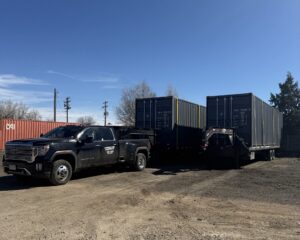
The best design won’t help if the container can’t go where you want it. A stable, level spot with good drainage is a sensible starting point. You’ll also need room to reach the doors once it’s placed. During delivery, the truck needs a clear approach and more maneuvering space than the container’s footprint alone.
Check the route for tight turns, fences, branches, and overhead wires. If you’re uncertain, send photos of the site when discussing delivery. Our guide to preparing your property for a container covers the placement details that are easy to miss.
You should also speak with your local planning and building departments before ordering. A container used for storage may be treated differently from one used as an office or workshop. Zoning, setbacks, permits, utility connections, and inspections can vary by location and intended use. If the property has an HOA or landlord, check those requirements too. It’s better to learn what applies while the project is still a sketch than after a container arrives.
Is a Container Conversion Worth It?
It can be, especially when you need a dedicated space close to home or your job site. But compare the finished cost with your other options, not just the price of the container. Delivery, site preparation, doors and windows, electrical work, insulation, climate control, and interior finishes all add up. A simple hobby workspace will have a very different budget from an office you expect to use year-round.
You’ll also need to decide whether to start with a new or used container. A used unit may leave more room in your budget for the conversion; a newer one may be a better fit if appearance is a priority. Inspect the roof, floor, doors, seals, and any signs of water getting in before committing to a particular unit. If you want a cleaner exterior or a color that fits your property, KP Storage also offers container painting.
The right answer depends on what you need the space to do. If you only want secure tool storage with an occasional place to work, you may need very few changes. If you want a quiet, comfortable office five days a week, plan for a more involved buildout.
Find the Container That Fits the Project
Turning a shipping container into a workshop or office is possible. The projects that work best start with a clear idea of the daily use, a realistic budget, and a site that can accommodate both delivery and the finished space.
KP Storage Solutions sells new and used 20-foot and 40-foot containers with delivery throughout the Denver area and Colorado. Tell us how you plan to use yours and where it needs to go. We can help you compare container options and get a quote for the starting point of your project.
Latest Post